
Austin has all the ingredients for a great dating scene. A young population. A culture built around live music, outdoor activity, and food worth talking about. A city still loose enough that strangers actually talk to each other. And yet, if you ask most Austin singles how dating is going, the answer tends to be some version of: exhausting.
The city grew fast. The apps followed. And somewhere between 2020 and now, Austin started to feel like every other city — a place where you can match with someone who lives six blocks away and still never actually meet them.
Here's an honest look at where Austin dating stands in 2026, what's shifted, and what's actually working.
How Austin's Dating Pool Changed
The tech transplant wave reshaped Austin's demographics in ways that are still settling out.
From roughly 2020 to 2023, Austin absorbed a significant influx of tech workers, many from California and the Pacific Northwest. The city's median age dropped. Income levels rose in certain zip codes. The dating pool suddenly included a lot of people who were new to the city, didn't have established social networks here, and were relying almost entirely on apps to meet people.
That's not a criticism — it's just a structural reality. When your social graph is thin in a new city, you fall back on whatever mechanism provides volume. Apps provide volume.
The result is a dating scene that's both larger and more fractured than it was five years ago. More singles. Less organic collision. Fewer situations where you keep running into the same person through mutual friends and finally ask them out.
The Rainey Street Problem
Austin has a Rainey Street problem. It's not really about Rainey Street — it's about the habit of defaulting to the same strip, the same bars, the same three-block radius for every first date in the city.
Apps suggest a certain kind of first date because apps don't know you. They produce a match. You produce a location. The path of least resistance is: bar, happy hour, Rainey or South Congress or the Domain, depending on where you live.
These aren't bad neighborhoods. They're fine places to have a drink. But they're also places where everyone else on every other app is having exactly the same date at exactly the same time. There's a sameness to it that doesn't help anyone.
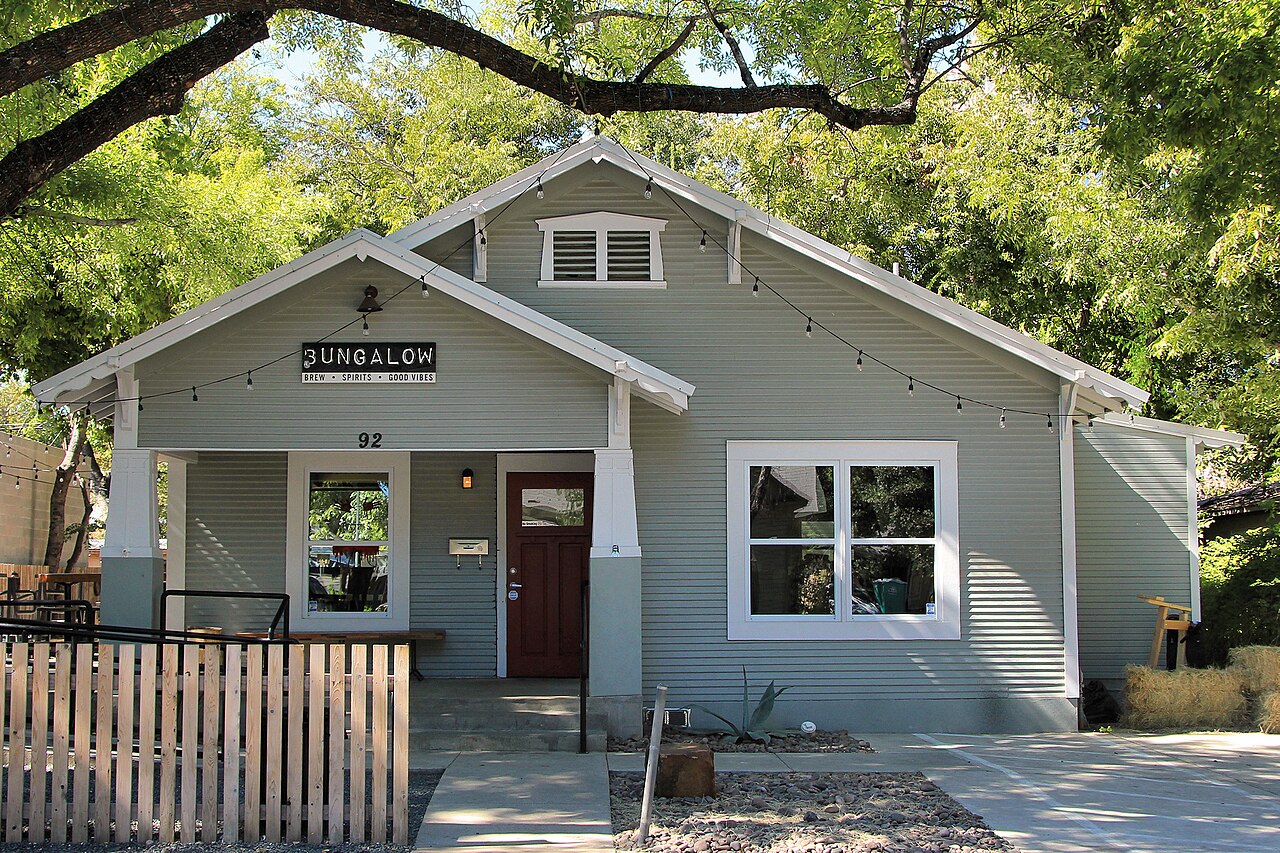
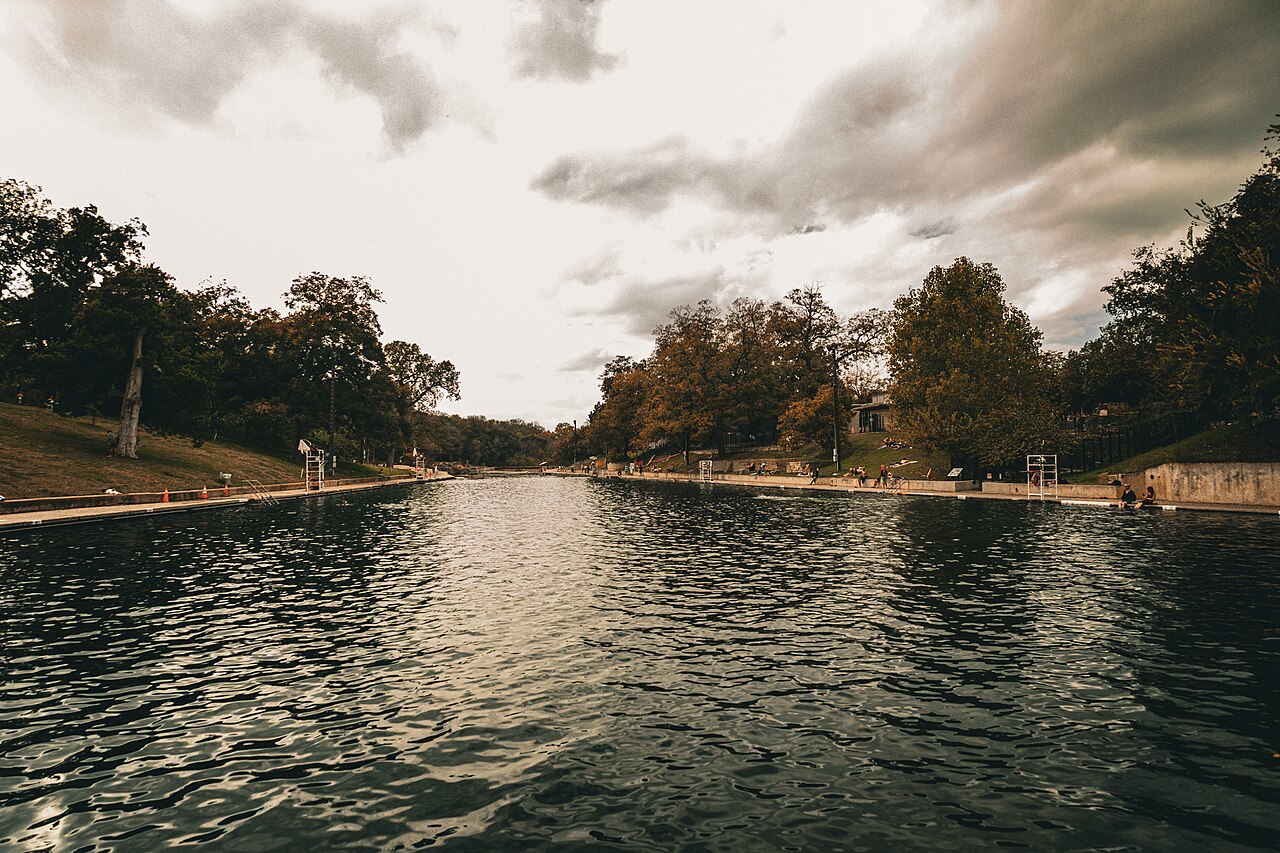
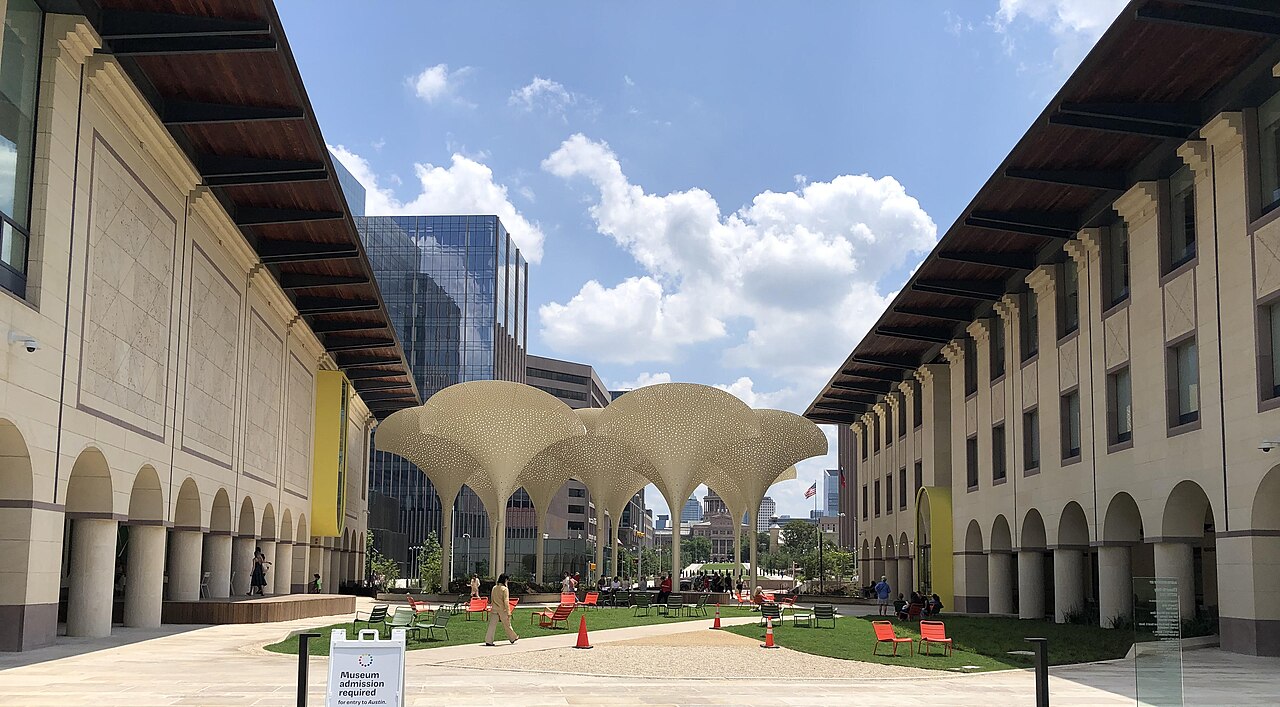
Austin actually has extraordinary conditions for first dates — better than most U.S. cities. Barton Springs on a Sunday morning. A walk along Lady Bird Lake at dusk. The Blanton on a quiet Tuesday. The Congress Avenue bats at dusk in late summer. Tacodeli on a weekday morning before either of you has fully performed for the day.
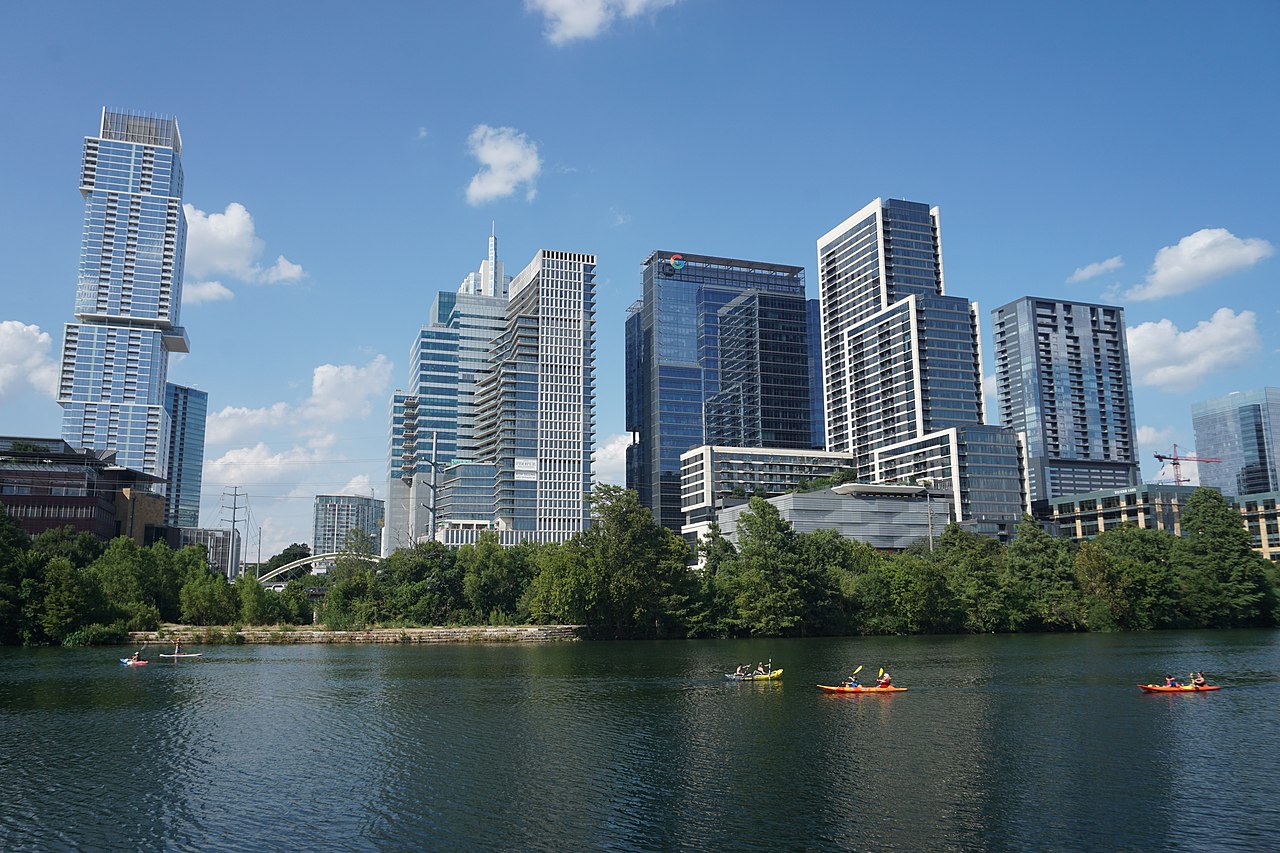
The city's geography rewards people who use it. The app's defaults don't encourage that.
What's Actually Working for Austin Singles
The Austin singles who seem to be doing best at actually meeting people share a few common patterns.
Activity-based meeting. Climbing gyms, running clubs, trivia nights, recreational sports leagues, pottery classes, paddle boarding on Lady Bird Lake — Austin's activity scene is genuinely good, and activities create repeated exposure in a way that apps never can. You see someone five times before you talk to them. That changes the dynamic entirely.
Friend networks doing actual work. Austin still has a culture of introduction. If you tell your friends you're looking to meet someone, and you're explicit about that, Austin friends tend to actually try. This is increasingly rare in larger cities. The city is still small enough that "I think you two should meet" is a sentence people say and follow through on.
Getting off apps faster. The Austin singles who report more satisfying dating experiences tend to have a personal rule about meeting quickly — within a week of matching, ideally within a few days. Long text exchanges before meeting create false intimacy and real disappointment. The city is too good for dates to spend three weeks in an app chat before experiencing it.
Neighborhood specificity. Austin is a collection of distinct neighborhoods with distinct personalities. People who match in the same neighborhood tend to date better — the stakes are lower, the setting is familiar, and there's a genuine shared-context shortcut that helps.
What's Not Working
The textlationship problem is real in Austin and getting more common.
You match with someone. You text for two weeks. You have inside jokes. You know each other's schedules. And then one of you ghosts, or you both do, or you finally meet and there's nothing there because all the apparent chemistry was a function of boredom and projection, not actual connection.
Apps are designed to keep this going. Every exchange is engagement. That's good for their metrics. It is often not good for you.
The other thing that isn't working: treating Austin's dating scene like it's a numbers game. High volume matching, low effort vetting, minimal context before meeting. The city rewards intention. Dating in Austin without intention just means you're spending a lot of money on drinks at places you've already been to.
Austin's Best Spots for an Actual First Date
For reference — and because the generic advice is always a bar on Rainey — a few specifics:
Barton Springs Pool — $5–9 depending on the day. Sunday morning before 10am is quiet. You'll know within an hour if there's anything there. The setting removes the performance entirely.
The Blanton Museum of Art — Free on Thursdays. Good for people who can actually talk to each other. Art gives you something to react to together, which tells you more than any conversation starter question.
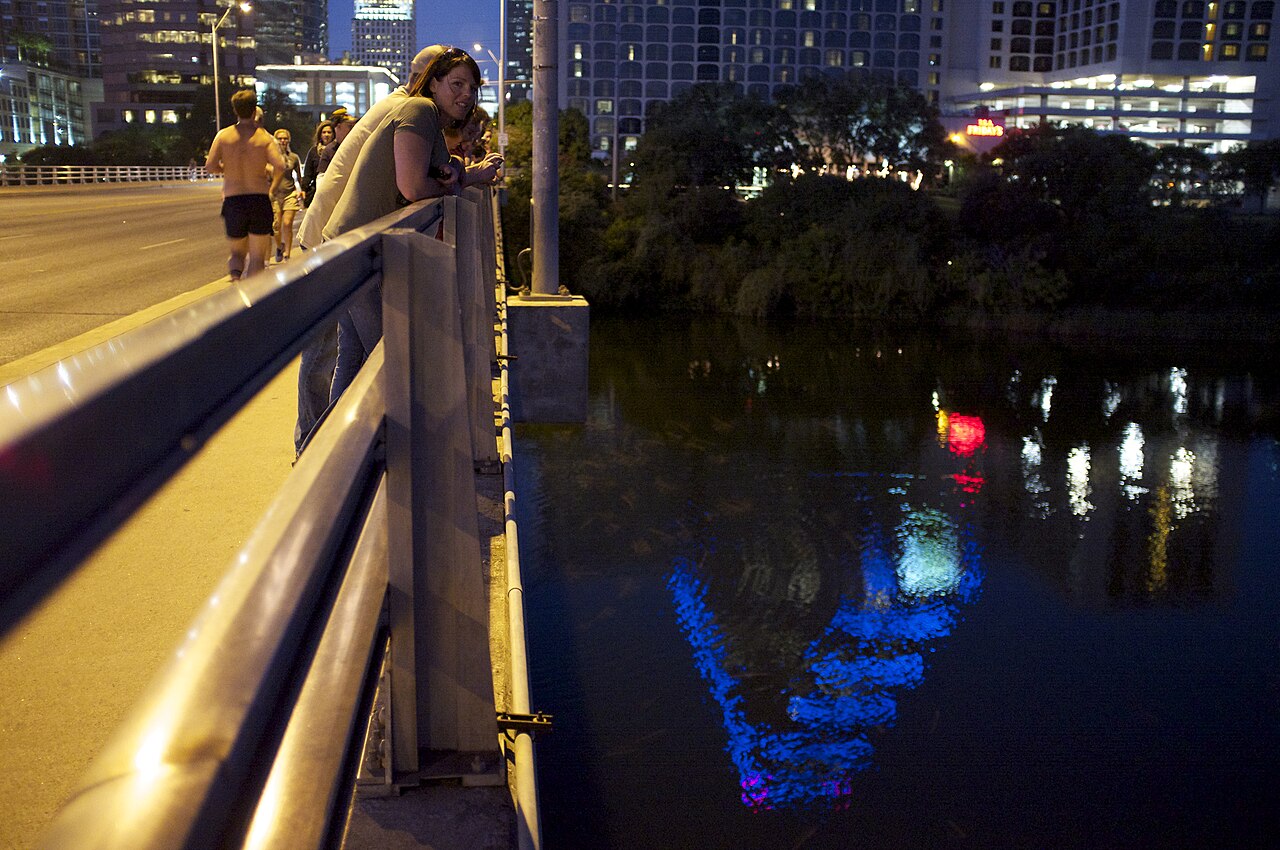
Congress Avenue at dusk (summer) — Free. The bat bridge at sunset is a legitimate Austin experience that never gets old. Low-stakes, impossible to be awkward through.
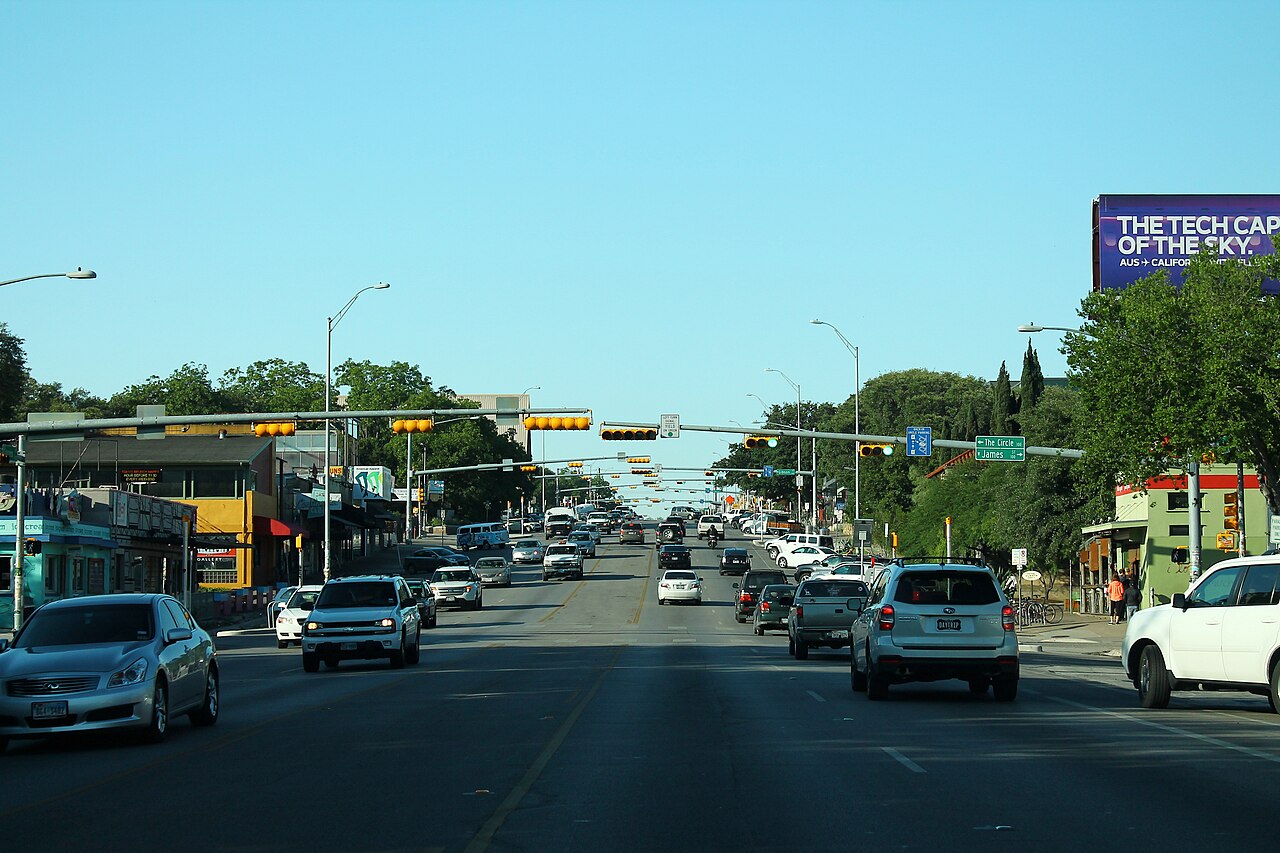
Patika Coffee (South Congress) — Quiet enough to have a real conversation. Good enough coffee that you'll linger. Easy to extend to a walk on South Congress if it's going well.
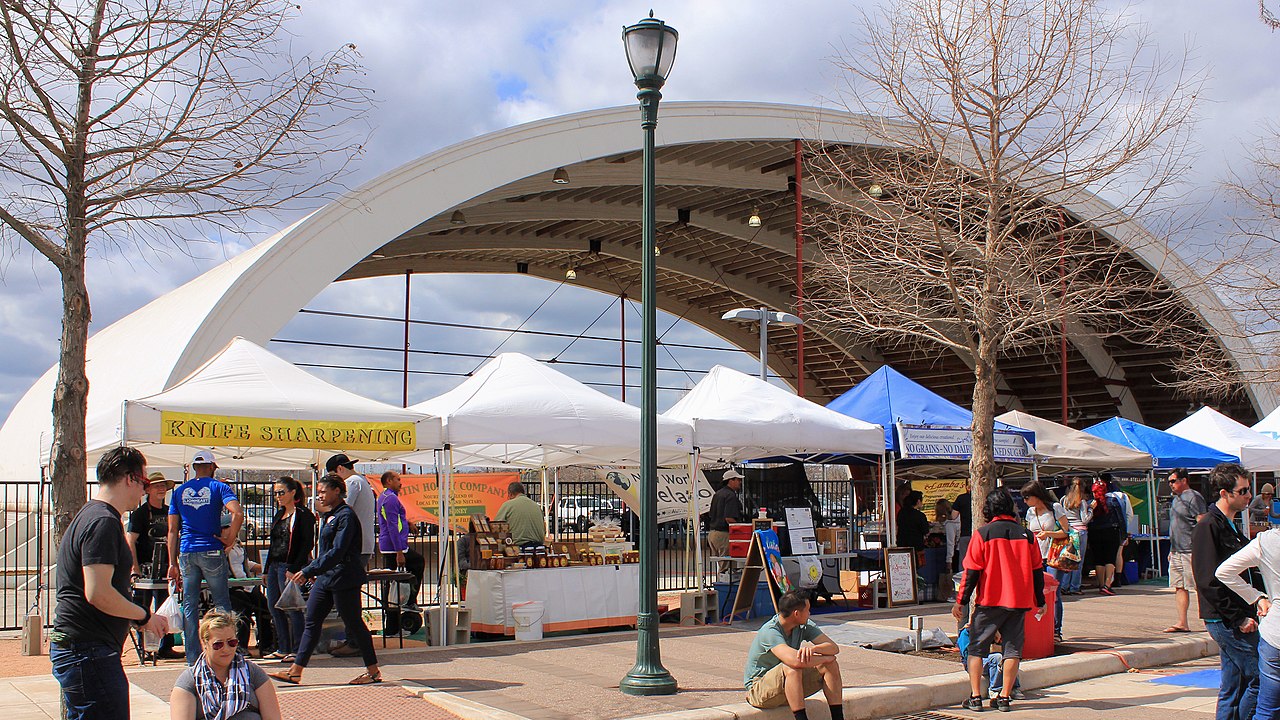
Mueller Farmers Market (Sunday mornings) — Casual, local, and genuinely Austin. Feels like real life, not a date performance.
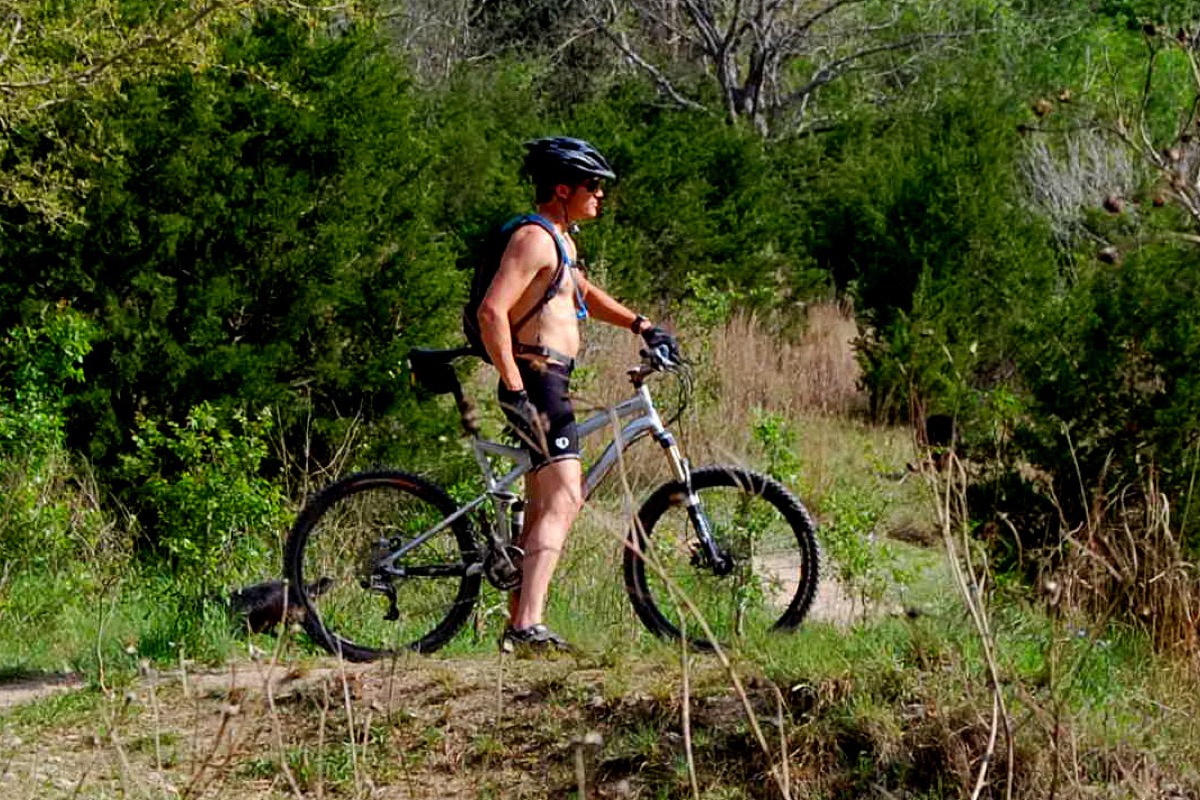
Barton Creek Greenbelt (Golden-Cheeked Warbler trailhead) — For the right person, a morning hike tells you more about compatibility than a dinner. Just check water conditions and don't suggest this for a first date with someone you've never met before — save it for a second.
The Bigger Picture
Austin is still a good city to date in. Better than most. The culture hasn't fully homogenized yet. The city is still human-scaled enough that community exists.
The problem isn't Austin. It's using tools designed for volume in a city that rewards depth. Apps generate matches. Austin generates connection — but only if you're actually showing up in it.
The singles doing best here are the ones treating dating the way they treat the rest of their Austin life: with genuine curiosity, low pretension, and a willingness to go somewhere other than the obvious choice.
Photo credits
Images via Wikimedia Commons under Creative Commons licenses: Rainey Street (CC BY-SA 3.0); Lady Bird Lake skyline (CC BY-SA 4.0); Barton Springs (CC BY 2.0); Blanton Museum exterior (CC BY-SA 4.0); Congress Avenue bats (CC BY 2.0); South Congress Avenue (CC BY 2.0); Mueller Farmers Market (CC BY-SA 4.0); Barton Creek Greenbelt (CC BY-SA 3.0).
Read next: Summer Date Ideas in Austin That Won't Melt You · Free and Inexpensive Things to Do in Austin on a Date · Best Questions to Ask on a First Date · How to Date on a Budget in 2026 · How to Connect With Someone You Just Met
The Vouched dating app is a friend-endorsed app launching in Austin in 2026. Get on the early access list →